
By Peter Grear, with AI assistance
January 28, 2026
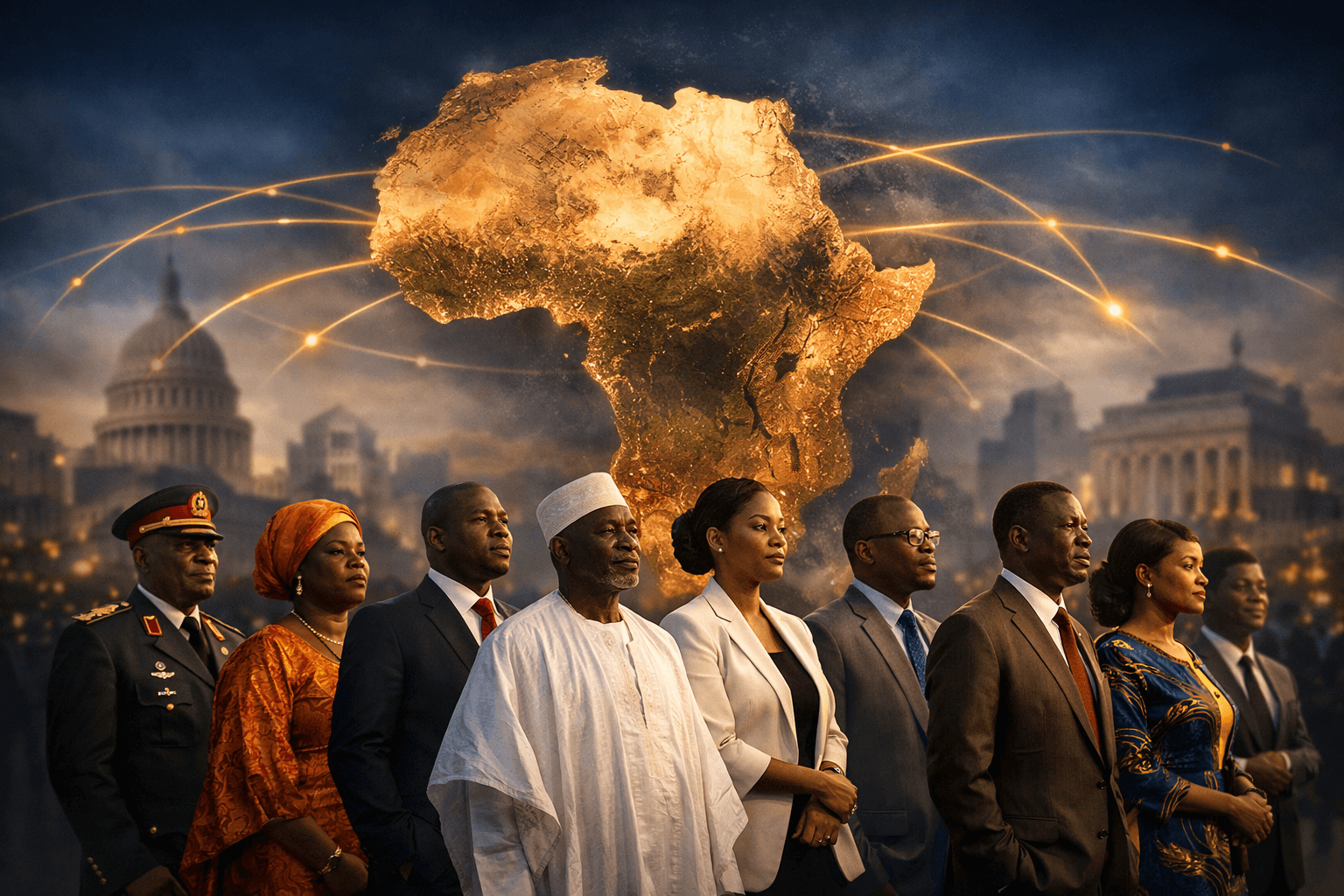
Discussions about Africa’s development are often framed through the language of partnership, aid, and reform. Yet beneath these familiar terms lies a persistent misunderstanding—one that continues to shape policy decisions, funding priorities, and diplomatic relationships. Western powers frequently speak about supporting African sovereignty, but their actions reveal a more limited and conditional interpretation of what sovereignty actually means.
At its core, African sovereignty is not merely about flags, borders, or formal independence. It is about agency—the right and capacity of African states and societies to define their own priorities, choose their own partners, and pursue development paths rooted in local realities rather than external expectations.
Sovereignty Is Not a Reward for “Good Behavior”
One of the most common misconceptions is the idea that sovereignty must be earned or maintained through compliance with externally defined norms. In practice, this means that African governments are often granted autonomy only insofar as their decisions align with Western political, economic, or security interests.
When African countries pursue alternative development models, diversify their diplomatic partnerships, or challenge dominant global narratives, these actions are frequently framed as “backsliding,” “instability,” or “lack of capacity.” The underlying assumption is that deviation from Western preferences represents failure rather than choice.
True sovereignty, however, includes the right to make decisions that outsiders may not agree with. Without that right, independence becomes symbolic rather than substantive.
Development Is Treated as a Substitute for Self-Determination
Western engagement with Africa often collapses sovereignty into development outcomes. If poverty levels decline or governance metrics improve, sovereignty is presumed to be intact. But development indicators alone cannot substitute for political and economic self-determination.
Many development frameworks continue to prescribe solutions designed elsewhere, implemented through conditional financing, technical assistance, and externally driven benchmarks. While these tools may produce short-term gains, they frequently limit the ability of African institutions to experiment, adapt, and learn on their own terms.
Sovereignty is weakened when states are structurally dependent on external validation, funding cycles, or policy approval—even when intentions are benevolent.
African States Are Treated as Objects, Not Strategic Actors
Another persistent misunderstanding is the tendency to treat African countries as passive recipients of global forces rather than as strategic actors navigating a complex international system. When African governments engage with emerging powers, pursue South–South cooperation, or leverage geopolitical competition to their advantage, Western responses often oscillate between concern and suspicion.
This reaction ignores a basic reality: African states, like all states, pursue their interests within the constraints and opportunities available to them. Engaging multiple partners is not a betrayal of sovereignty—it is an expression of it.
To deny African agency in global strategy is to deny sovereignty itself.
Sovereignty Is Reduced to State Power Alone
Western frameworks often define sovereignty narrowly, focusing almost exclusively on central governments and formal institutions. Yet African sovereignty is deeply connected to people, not just states. Communities, traditional authorities, civil society, entrepreneurs, and the diaspora all play critical roles in shaping economic and political life.
Ignoring these actors leads to policies that strengthen institutions on paper while weakening legitimacy on the ground. Sovereignty cannot be sustained if citizens experience governance as externally imposed or disconnected from their lived realities.
This is particularly evident when development programs bypass local structures in favor of international intermediaries, reinforcing the perception that authority ultimately lies elsewhere.
The African Diaspora Is Largely Excluded from Sovereignty Conversations
One of the most overlooked dimensions of African sovereignty is the role of the African diaspora. Diaspora communities contribute billions in remittances, invest in businesses, transfer skills, influence global opinion, and act as informal diplomats. Yet they are rarely treated as stakeholders in sovereignty discussions.
Western powers often engage the diaspora as a development resource, but not as a political or strategic constituency. This omission weakens sovereignty by fragmenting African agency across borders rather than recognizing its transnational nature.
Organizations like the African Union have begun to articulate a broader vision of African sovereignty—one that includes the diaspora as a “sixth region.” However, this perspective has yet to be fully integrated into Western policy frameworks.
Security Is Prioritized Over Autonomy
Finally, Western engagement frequently prioritizes stability and security over autonomy. Counterterrorism, migration control, and regional security concerns often dominate relationships, leading to partnerships that emphasize short-term order rather than long-term self-governance.
While security matters, sovereignty erodes when African states are pressured to adopt security agendas that do not align with local priorities or when military cooperation substitutes for political accountability and economic inclusion.
Stability imposed from outside is fragile. Sovereignty rooted in legitimacy is durable.
Toward a More Honest Understanding
If Western powers genuinely wish to support African sovereignty, they must move beyond rhetoric and confront these misunderstandings directly. This requires accepting that sovereignty includes disagreement, experimentation, and strategic autonomy—even when outcomes are uncertain.
Supporting sovereignty means shifting from control to trust, from prescription to partnership, and from conditional engagement to mutual respect. It also means recognizing that Africa’s future will be shaped not by external guardians, but by Africans themselves—on the continent and across the diaspora.
Anything less is not support for sovereignty; it is merely its performance.
Call to Action
- Support this work: Donate to GDN – Greater Diversity News
- Stay informed: Subscribe – Greater Diversity News
- Join the movement: Register for the January 26 Sixth Region RoFR Planning Meeting
Join the conversation—leave your take or a question.
Help grow The Economic Liberation of Africa conversation—forward to someone curious about Africa-centered opportunity.