By Peter Grear, with AI assistance
Published: December 8, 2025
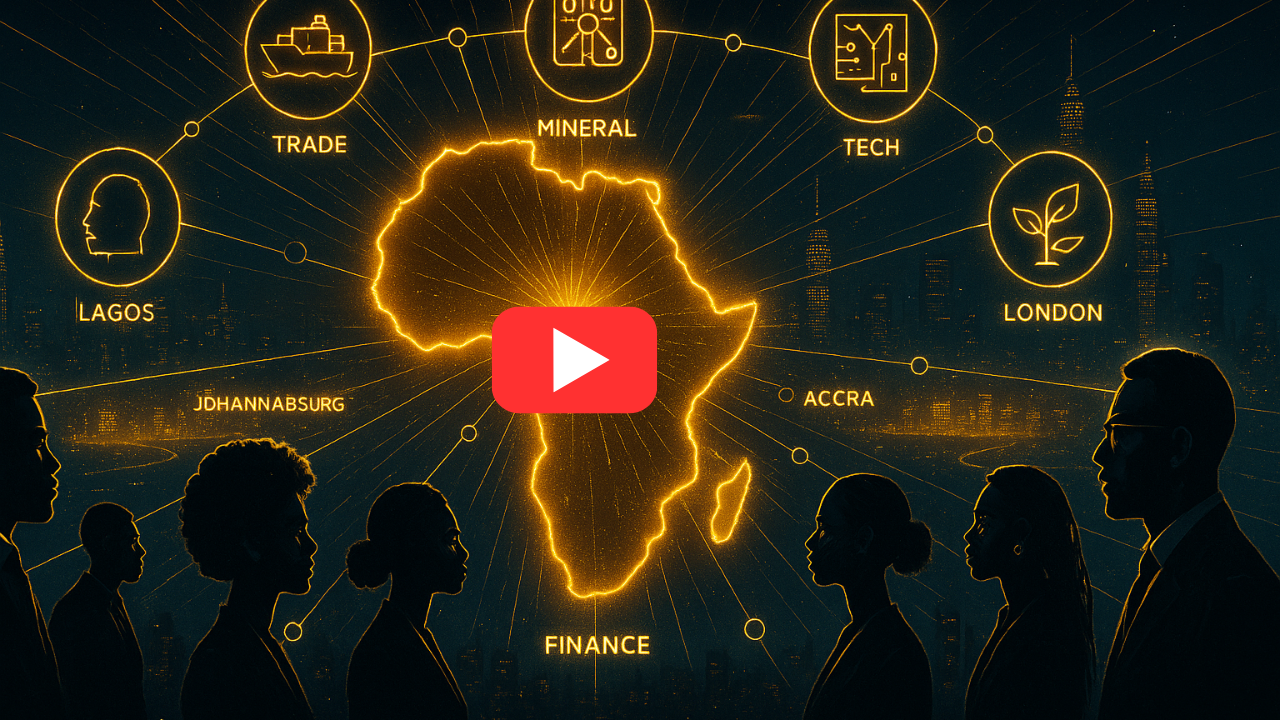
For the first time in modern history, Europe’s stability, competitiveness, and energy transition have become directly dependent on Africa’s decisions. This reality was made public through the recent Africa–EU Summit in Luanda, Angola — a convening that quietly produced one of the most consequential geopolitical realignments of the decade. While much of the mainstream coverage framed the meeting as a routine cooperation event, its implications are far more significant. The “Luanda Deal,” as it is now called, isn’t a single document but a new operating framework that positions Africa as a decisive power in global economics and diplomacy.
At its core, the deal signals a fundamental shift from the old extractive model — where Europe dictated terms and Africa responded — to a new era where Africa holds leverage over resources, supply chains, migration policy, and the minerals essential for Europe’s green-energy ambitions. For Africans and the global diaspora, this moment demands both vigilance and strategic action.
Why Europe Needs Africa More Than Ever
Europe’s energy crunch, aging population, industrial decline, and strategic vulnerabilities have forced it to rethink its relationship with Africa. The EU’s transition to electric vehicles, renewable power, and digital infrastructure cannot succeed without African cobalt, copper, lithium, nickel, natural gas, green hydrogen, and solar capacity. The continent also needs African workers — engineers, healthcare professionals, technicians, and digital talent — to sustain its economies.
For the first time, Africa’s demographic strength, mineral wealth, and growing markets make it the senior partner in several critical areas. The Luanda Deal recognizes this by elevating the African Union as Europe’s primary negotiating counterpart, signaling that continental frameworks like the African Continental Free Trade Area (AfCFTA) will shape the future of EU–Africa cooperation.
This shift gives Africa tools it has long lacked — collective bargaining power, leverage over resource access, and the ability to insist on value-added industrialization.
The Opportunities: A New Path to Industrialization
If managed wisely, the Luanda Deal can accelerate Africa’s rise as a manufacturing and energy powerhouse.
1. Industrial Clusters & Value Addition:
Europe has agreed — at least on paper — to support African value-addition rather than mere raw export. That means potential for African battery plants, mineral refineries, agro-processing hubs, pharmaceutical manufacturing, and regional industrial corridors.
2. Infrastructure Investment:
The EU’s Global Gateway initiative commits tens of billions toward African rail lines, ports, digital infrastructure, and green-energy grids. If African companies and diaspora-led firms secure contracts, this can build real local capacity.
3. Youth Mobility & Skilled Labor Pipelines:
Legal migration pathways offer African youth opportunities to gain training, experience, and capital — strengthening Africa’s long-term competitiveness when they return.
4. Energy Sovereignty:
African nations can now structure energy deals that include technology transfer, local manufacturing, and profit-sharing, especially in green hydrogen and solar mega-projects.
5. Diaspora Integration:
With the AU’s Sixth Region now recognized, diaspora entrepreneurs can take an organized role in shaping trade, investment, and innovation partnerships.
For The Economic Liberation of Africa initiative, this moment creates unprecedented openings for African-led development — provided Africa negotiates from a position of unity.
The Risks: A New Scramble Disguised as Partnership
But Africa must tread carefully. Not every promise made in Luanda will materialize, and several threats loom beneath the surface.
1. Green Extractivism:
There is a danger the EU simply rebrands old practices — extracting African minerals cheaply while Europe captures the high-tech profits.
2. Capture of Infrastructure Funds:
Many “Africa investment” funds historically flow back to European contractors. Without strong local-content rules, Africa could gain infrastructure but lose wealth.
3. Debt Dependence:
Investment deals tied to high-interest loans pose long-term risks if Africans don’t secure equity-based financing and transparent contracts.
4. Political Division:
Europe may selectively partner with compliant states, undermining AfCFTA and weakening Africa’s collective power.
5. Militarization of Cooperation:
Security partnerships could increase Western military presence, echoing France’s failed Sahel model.
In short, the Luanda Deal is a door — not a guarantee. Africa must walk through it strategically.
Where GDN and GDN Global Fit In
Our responsibility is clear: document, analyze, and hold accountable the shifting power dynamics between Africa and Europe. GDN Global will spotlight opportunities for African and diaspora entrepreneurs, expose extractive practices when they arise, and track the evolution of the Luanda framework as part of our larger mission — The Economic Liberation of Africa.
This is not a moment for passive optimism. It is a moment for organization, negotiation, and Pan-African strategy. The world is moving. Africa must move with clarity.
Join the conversation — leave your take or a question.
Help grow The Economic Liberation of Africa conversation — forward this to someone curious about Africa-centered opportunity.
Donate to GDN – Greater Diversity News | Subscribe – Greater Diversity News