
By Peter Grear, with AI assistance
December 5, 2025
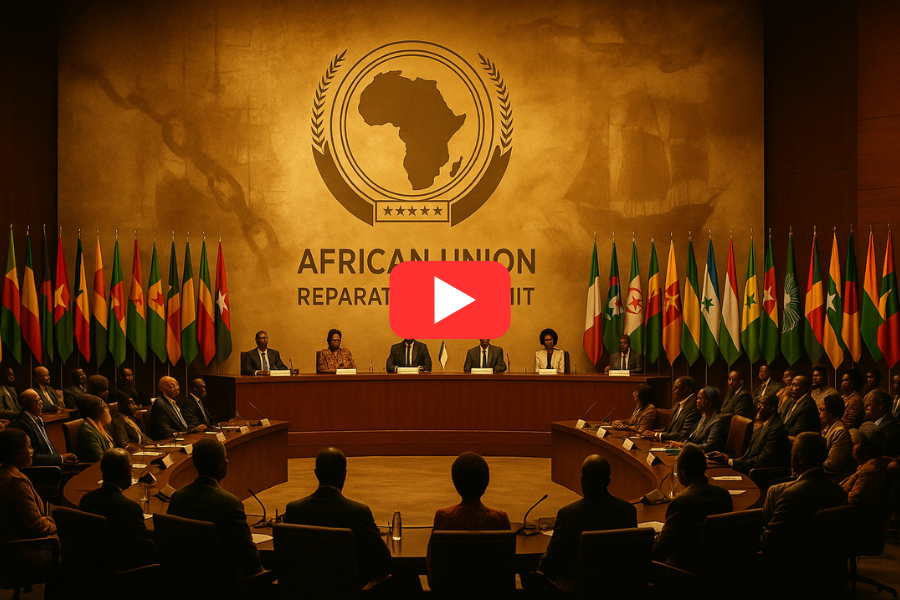
In a historic gathering in Algiers, African leaders, diplomats, scholars, jurists, and civil society actors convened under the African Union’s 2025 theme, “Justice for Africans and People of African Descent Through Reparations.” Over two days—November 30 to December 1, 2025—delegates from across the continent and the global diaspora met to issue an unmistakable message to the world: the age of impunity for colonial crimes is over. The result of this gathering is what is now being called the Algiers Declaration—a sweeping continental stance that positions colonialism, slavery, racial segregation, and apartheid not just as moral wrongs, but as prosecutable, legally recognized crimes under international law.
This conference, unlike previous historical justice gatherings, was neither symbolic nor academic. It was strategic. It was coordinated. And it was intended to shift the global balance of moral authority back toward Africa.
A Continental Reckoning With Colonial Crimes
Delegates in Algiers recounted the vast human, cultural, and economic devastation inflicted during centuries of European colonization. They detailed a long list of violations: forced labor systems, mass killings, partitioning of ethnic nations, environmental plunder, seizure of land, and the looting of cultural heritage—including tens of thousands of sacred artifacts that remain in European museums.
Speakers emphasized that the consequences of colonialism did not end with independence. The persistent inequities in global finance, unfair trade arrangements, and the extraction of raw materials without local reinvestment were all described as extensions of colonial theft.
Algeria’s Foreign Minister Ahmed Attaf captured the spirit of the gathering succinctly: “Restitution should be seen as neither a gift nor a favor. It is a right.”
The Core Demands: Recognition, Restitution, and Reparation
The Algiers Declaration outlines three principal demands:
- International Recognition of Colonialism as a Crime
Delegates called for a legally binding international framework that classifies:
- colonialism,
- slavery,
- segregation,
- forced racial hierarchy, and
- apartheid
as crimes against humanity.
This marks one of the strongest legal positions ever taken by African states collectively.
- Reparations and Material Compensation
Reparations were framed not as symbolic payments but as:
- financial compensation for labor, land, and resources stolen;
- cancellation of odious and colonial-era debt structures;
- restitution of confiscated property and artifacts; and
- long-term development programs funded by former colonial powers.
Importantly, the delegates stressed that reparations must not be seen as a historic settling of accounts, but as a contemporary corrective to ongoing structural injustices.
- Restitution of Cultural Heritage
From Benin Bronzes to Congolese religious symbols to Algerian manuscripts, Africa’s cultural identity remains scattered across European vaults. The Algiers conference demanded:
- unconditional return of stolen artifacts;
- reparative partnerships with cultural institutions;
- and a continental system for tracking, documenting, and reclaiming heritage.
A Turning Point in Africa’s Global Posture
What makes this gathering unprecedented is not the demand itself—African nations have called for reparations for decades. What is new is the unity, timing, and geopolitical force behind this push.
Several factors contributed to this moment:
- A multipolar world reshaping global power alignments
- African nations becoming key energy, mineral, and demographic centers
- Rising global acknowledgement of racism’s systemic patterns
- Expanding influence of the Sixth Region—the global African diaspora
Leaders repeatedly emphasized that Africa is not begging for repair; Africa is insisting on it, from a position of growing strength.
The conference also made it clear that the diaspora has a central role. Delegates called for the Sixth Region to serve as both a political amplifier and a legal strategist in global reparations campaigns.
Next Steps: Toward AU-Level Adoption in 2026
The Algiers Declaration will be submitted to the AU Summit in February 2026. If adopted, it will commit all member states to a continental reparations strategy, including:
- the formation of an AU Reparations Commission,
- a continental registry of colonial crimes,
- coordinated restitution claims,
- legal filings at regional and international courts,
- and joint diplomatic pressure on former colonial states.
Experts expect that this unified approach may fundamentally shift international negotiations—especially as Europe faces increasing pressure over its colonial legacy.
A New Era of Global Accountability
The Algiers gathering is not the end of Africa’s reparations movement. But it is undoubtedly the beginning of a new era—one in which Africa speaks in a unified voice, supported by the diaspora, backed by legal frameworks, and strengthened by its rising global influence.
The world is watching. And for the first time in a long time, Africa is setting the terms.
Join the Conversation
What do you think Africa’s first continental reparations framework should include?
Leave your thoughts or questions below.
Share This Article
Help grow The Economic Liberation of Africa conversation — forward this to someone curious about Africa-centered opportunity.
Support the Mission
Donate to GDN – Greater Diversity News | Subscribe – Greater Diversity News