

From Inclusion to Ownership: How HBCU Students Can Build Enterprise Pipelines Through RoFR
May 30, 2026 By Peter Grear (with AI assistance) For years, “inclusion” has been treated as the finish line—get admitted, […]
May 30, 2026 By Peter Grear (with AI assistance) For years, “inclusion” has been treated as the finish line—get admitted, […]
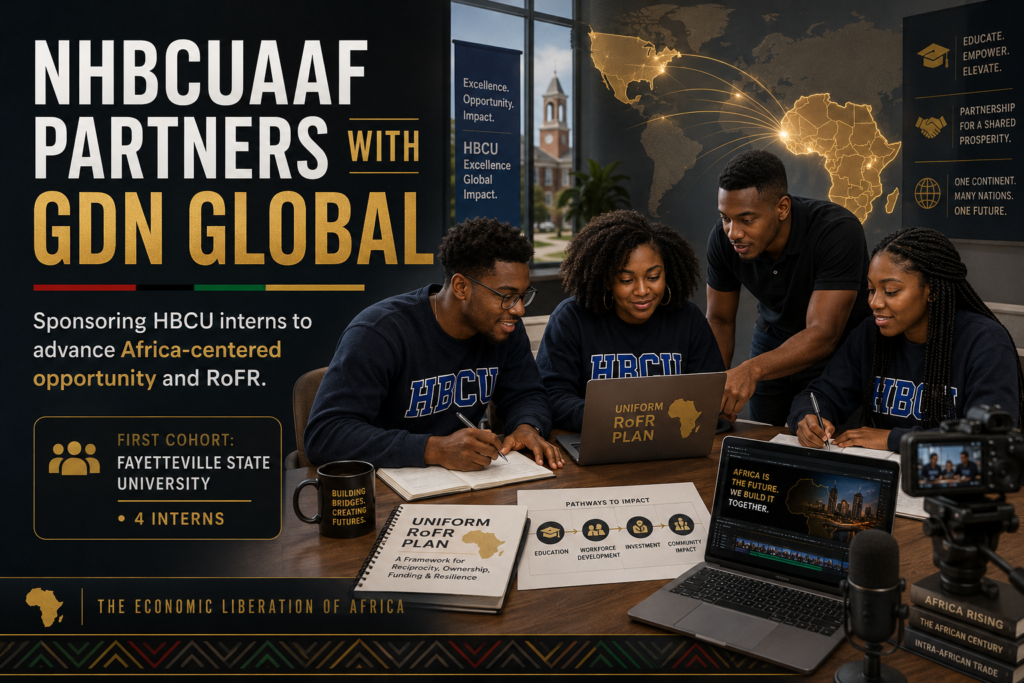
By Peter Grear (with AI assistance) May 8, 2026 RoFR is one of those terms that can sound like it
RoFR in Plain Language: What It Is, What It Isn’t, and Why Students Should Care Read More »
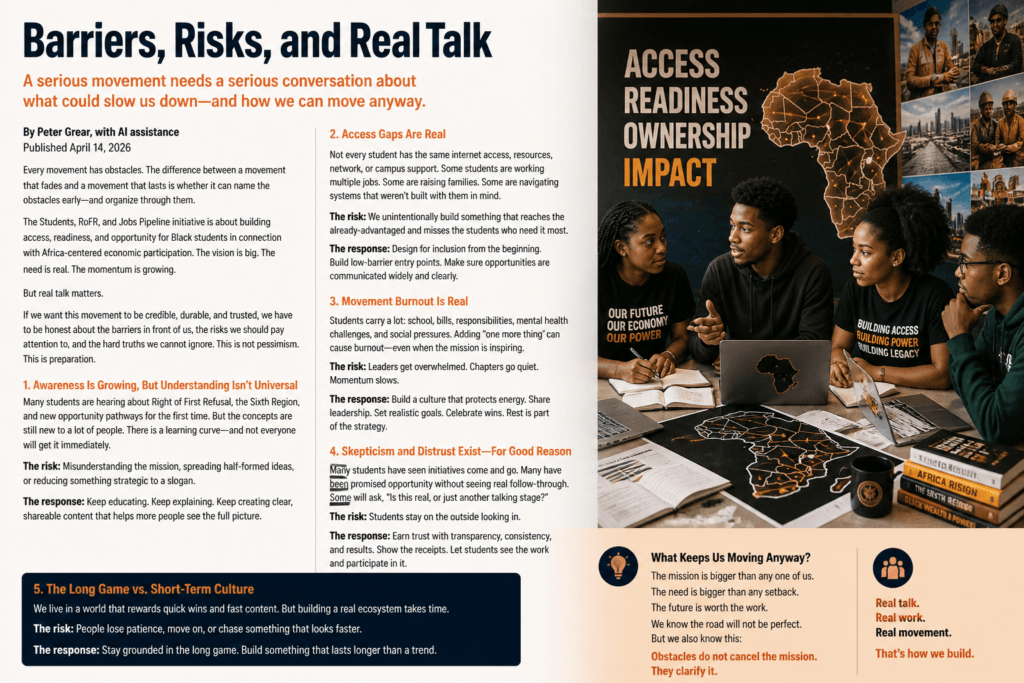
Subtitle: A serious student movement needs a serious conversation about what could slow it down—and how to move anyway.
Barriers, Risks, and Real Talk Read More »

When formal systems move slowly, media can do more than report the gap. It can help assemble the people, language,
How Media Can Organize a Workforce Movement Before Institutions Catch Up Read More »

If Black students are organized early around access, readiness, and ownership, a youth movement today could become part of the
The Long Game: How a Student RoFR Movement Could Reshape Diaspora Economic Power Read More »

If organized correctly, student energy can do more than inspire conversation. It can help build the networks, readiness, and pathways
Why a Global Black Student Movement Is Economic Infrastructure—Not Just Social Energy Read More »

A serious Africa-centered opportunity coalition could help HBCUs move from symbolic global engagement to structured pipelines in jobs, internships, enterprise,
What HBCUs Could Gain From a Sixth Region Jobs and Opportunities Coalition Read More »
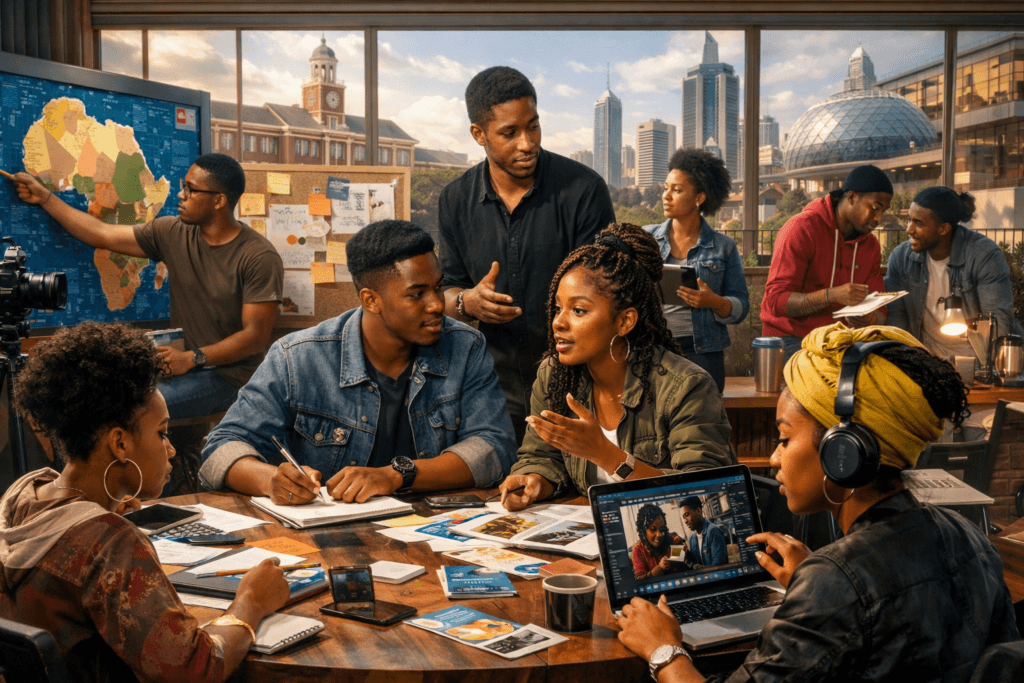
A movement becomes stronger when students are not treated only as recipients of opportunity, but as co-builders of the systems
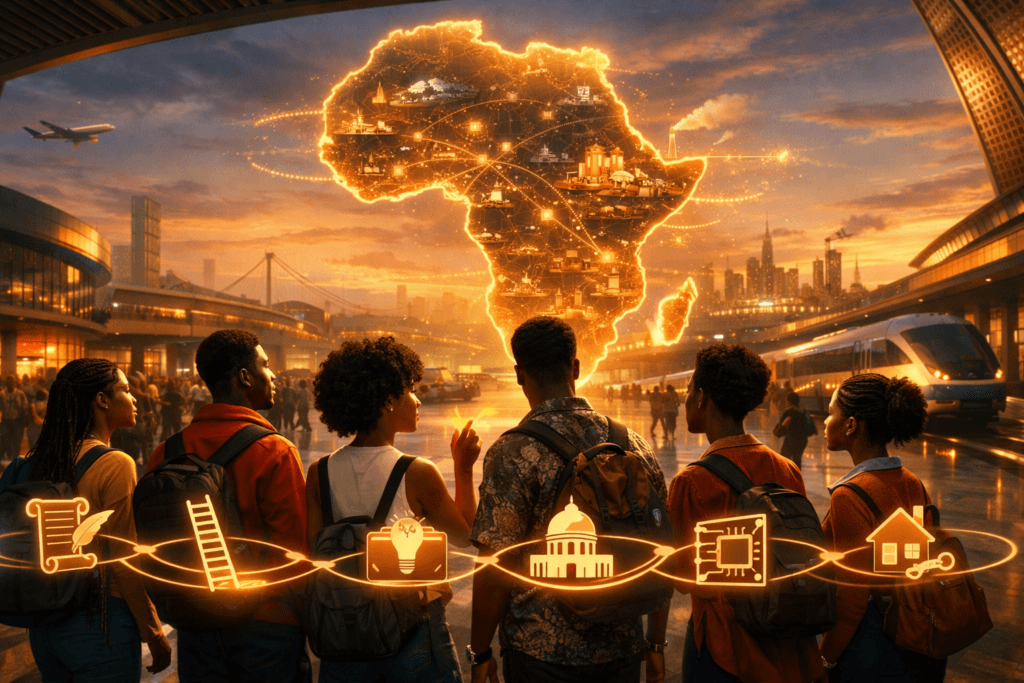
Why first access—not just inclusion—may define the future of Black opportunity in a rising Africa-centered economy April 3, 2026 By

A movement becomes stronger when students are not treated only as recipients of opportunity, but as co-builders of the systems